by Rudyard Kipling It was not part of their blood, It came to them very late, With long arrears to make good, When the Saxon began to hate. They were not easily

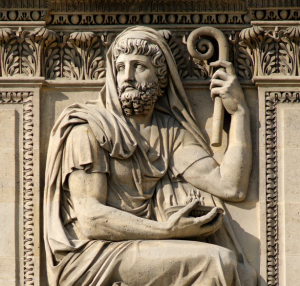
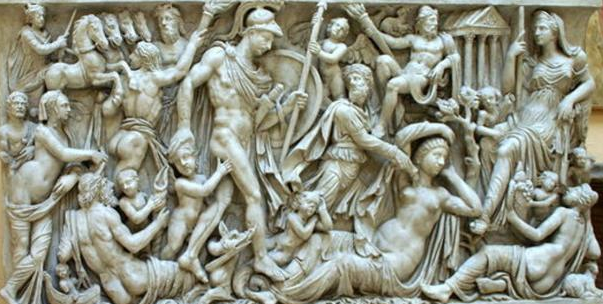
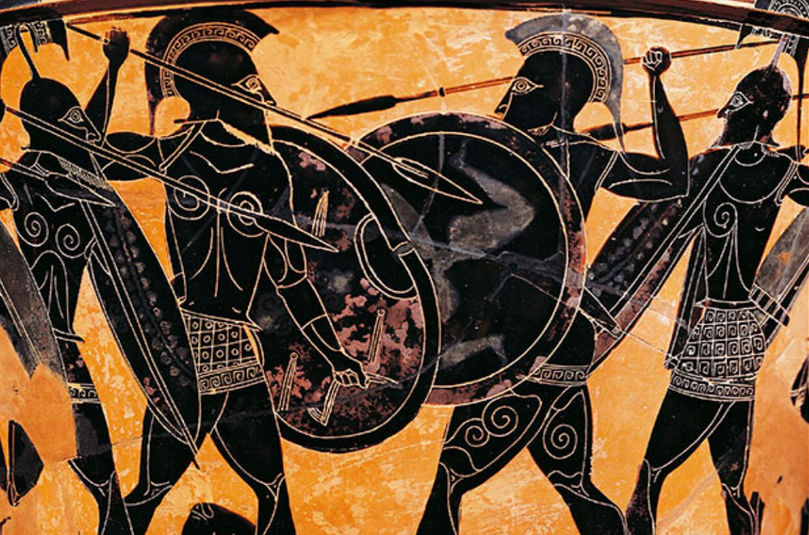
Editor’s note: The following is extracted from History, by Bernadotte Perrin (published 1912). (Go back to previous chapter) But the Ancient History of the Greeks never emancipated itself wholly from the influence of the epic poems. The revolt against it
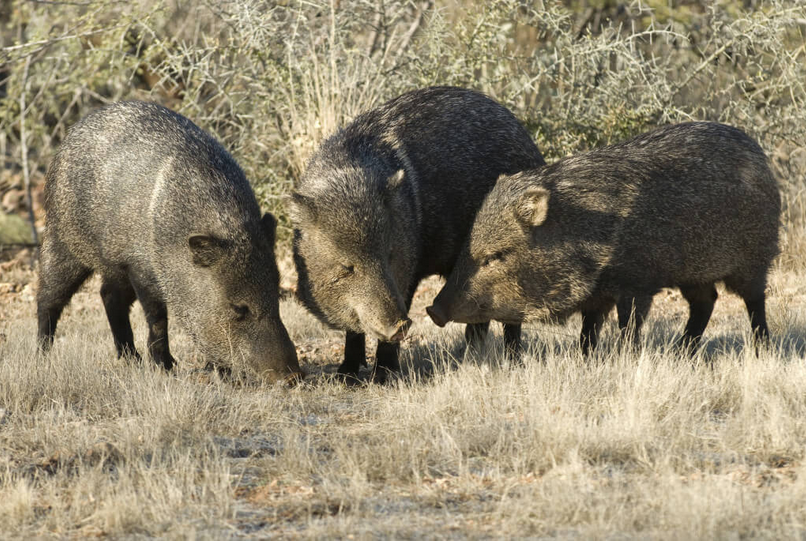
Editor’s note: The following is extracted from Hunting the Grizzly and Other Sketches, by Theodore Roosevelt (published 1902). In the United States the peccary is only found in the southernmost corner of
Part II can be found [here] Kern’s name indeed proved a password to the castle, much to Larvik’s surprise. Gate guards had recognized the little man, and they led Larvik and his
Editor’s Note: We offer another poem from the Men of the West Poet Laureate, Ian McLeod. And yes, he is as cool in person as he is in his poetry. A Canticle for
Part I can be found here. The rain had subsided by midnight, though ragged clouds still hid most of the stars. A moist wind whipped Larvik’s new cloak about his body as
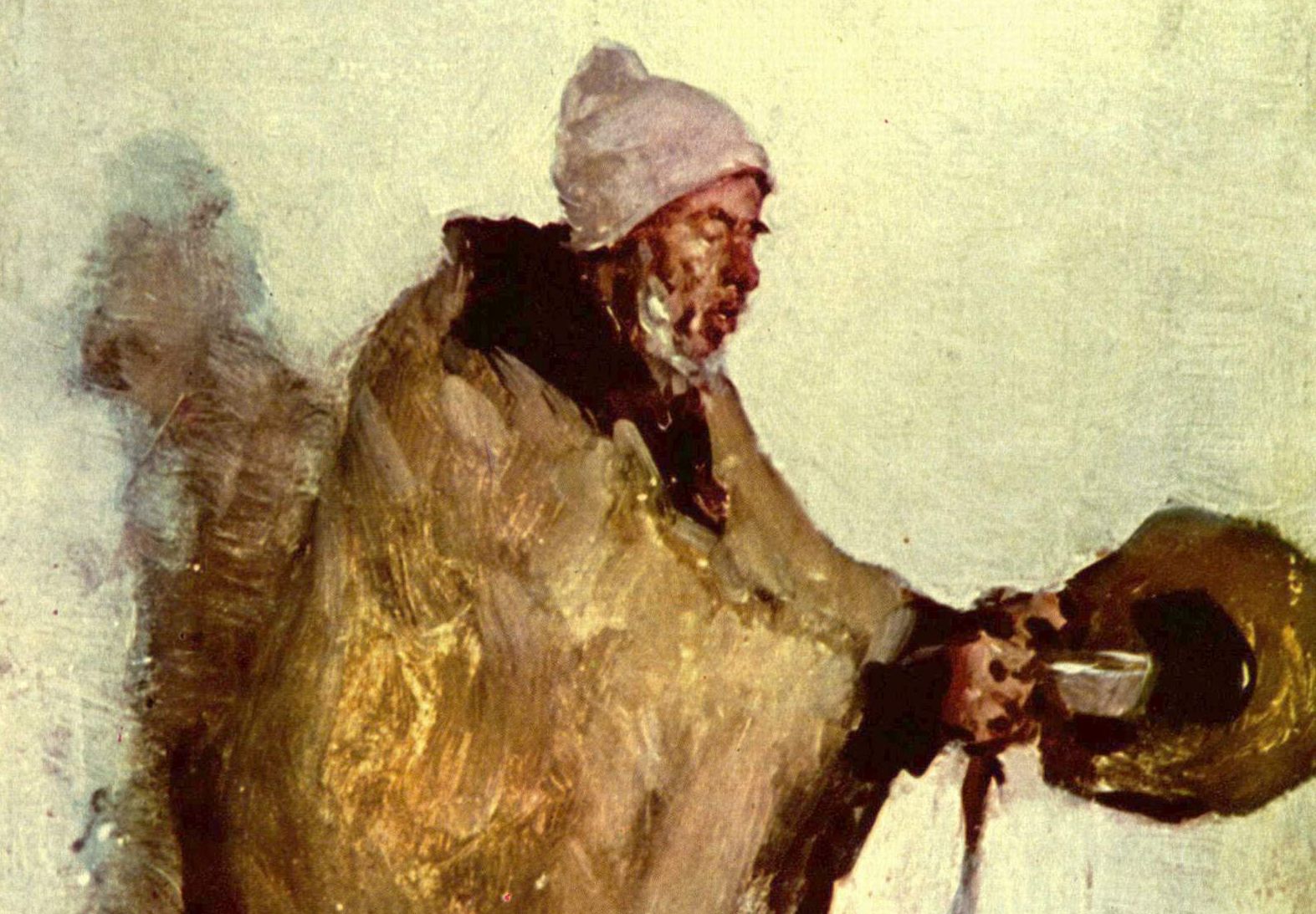
Larvik brushed away the flakes of skin that fell like black snow upon his table. He deflected the waitress again; the pockets of his faded cloak held nothing of any use to
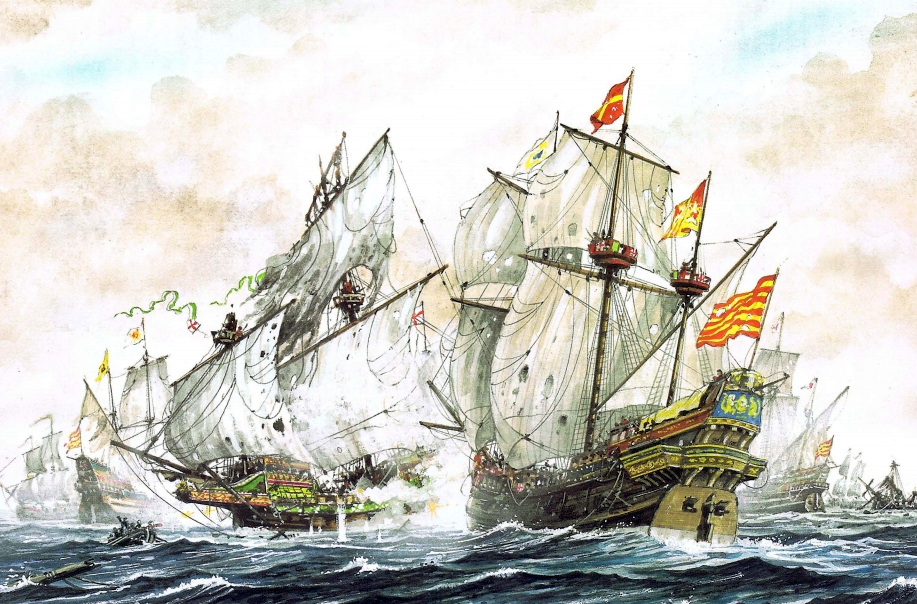
Editor’s note: The following is extracted from Essays on History and Literature, by James Anthony Froude (published 1906). All spelling is in the original. In August, 1591, Lord Thomas Howard, with six
Editor’s Note: This is the thirteenth chapter of Romulus, by Jacob Abbott (published 1902). (Continued from Part 12) XIII. Conclusion After the termination of the Sabine war, Romulus continued to reign many
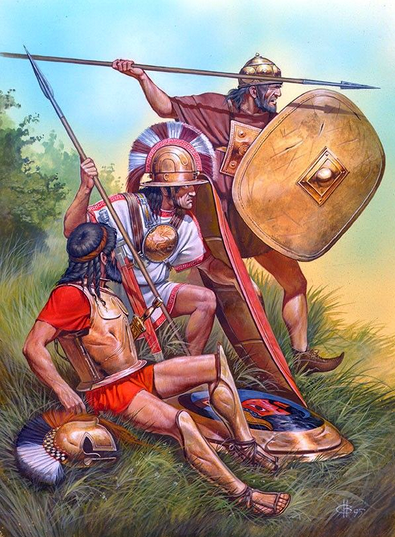
Editor’s Note: This is the twelfth chapter of Romulus, by Jacob Abbott (published 1902). (Continued from Part 11) XII. The Sabine War While the negotiations with the Sabines were still pending, Romulus
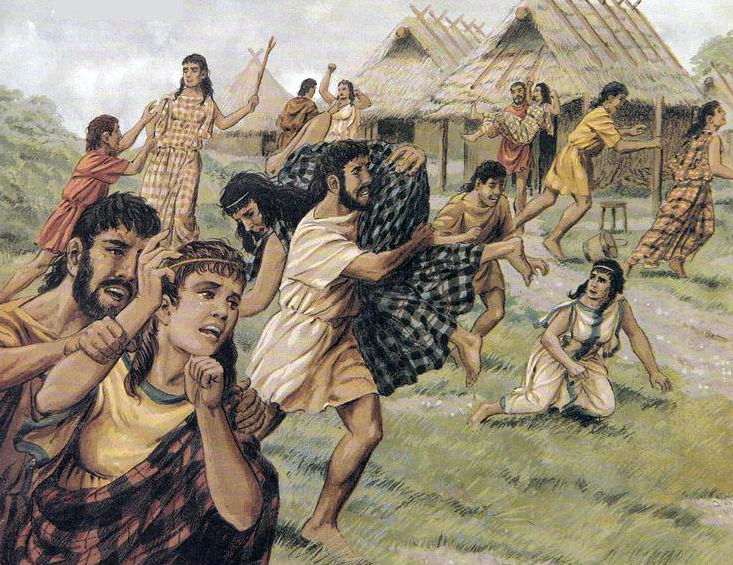
Editor’s Note: This is the eleventh chapter of Romulus, by Jacob Abbott (published 1902). (Continued from Part 10) XI. Wives Every reader who has made even the smallest beginning in the study
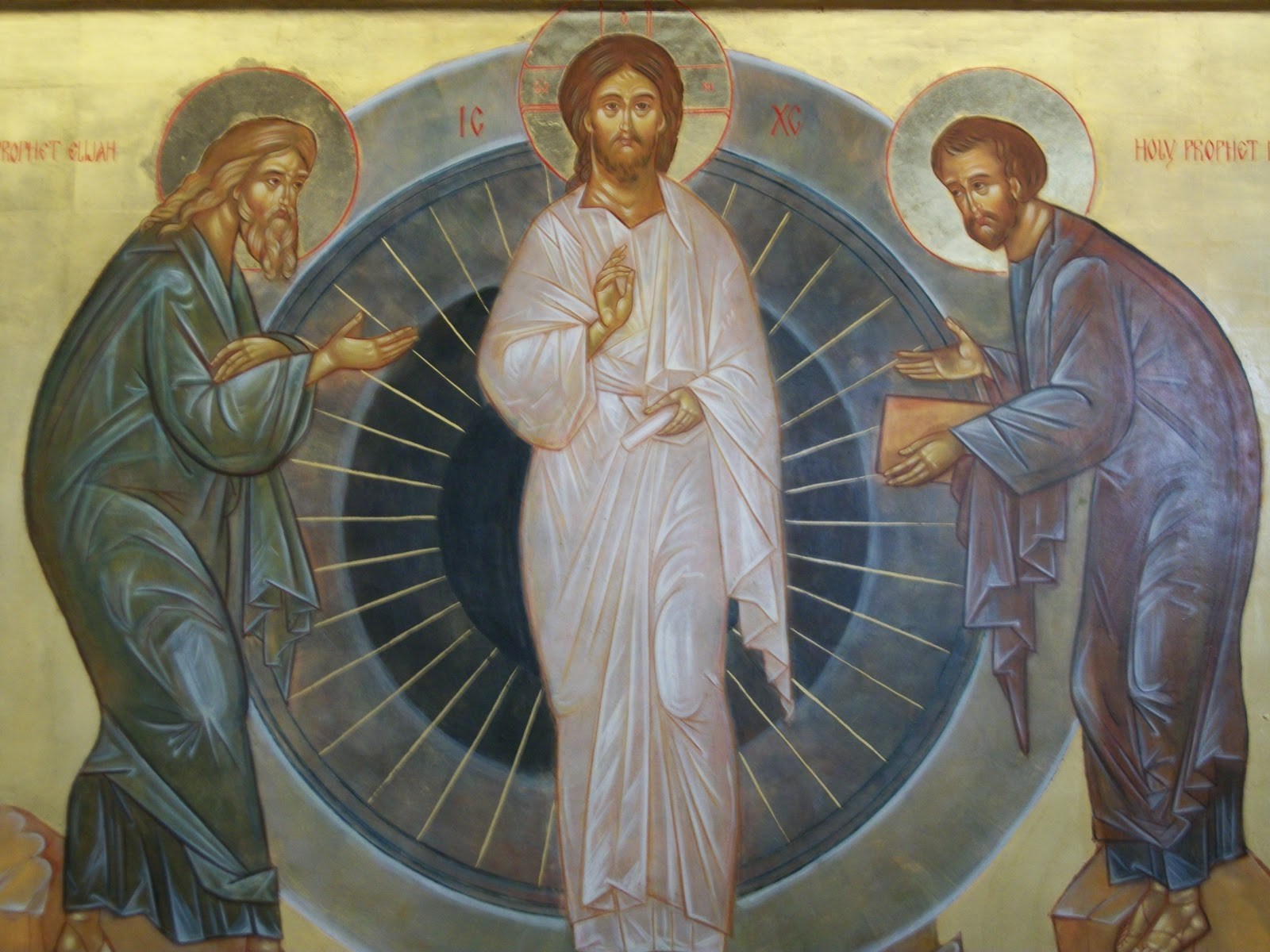
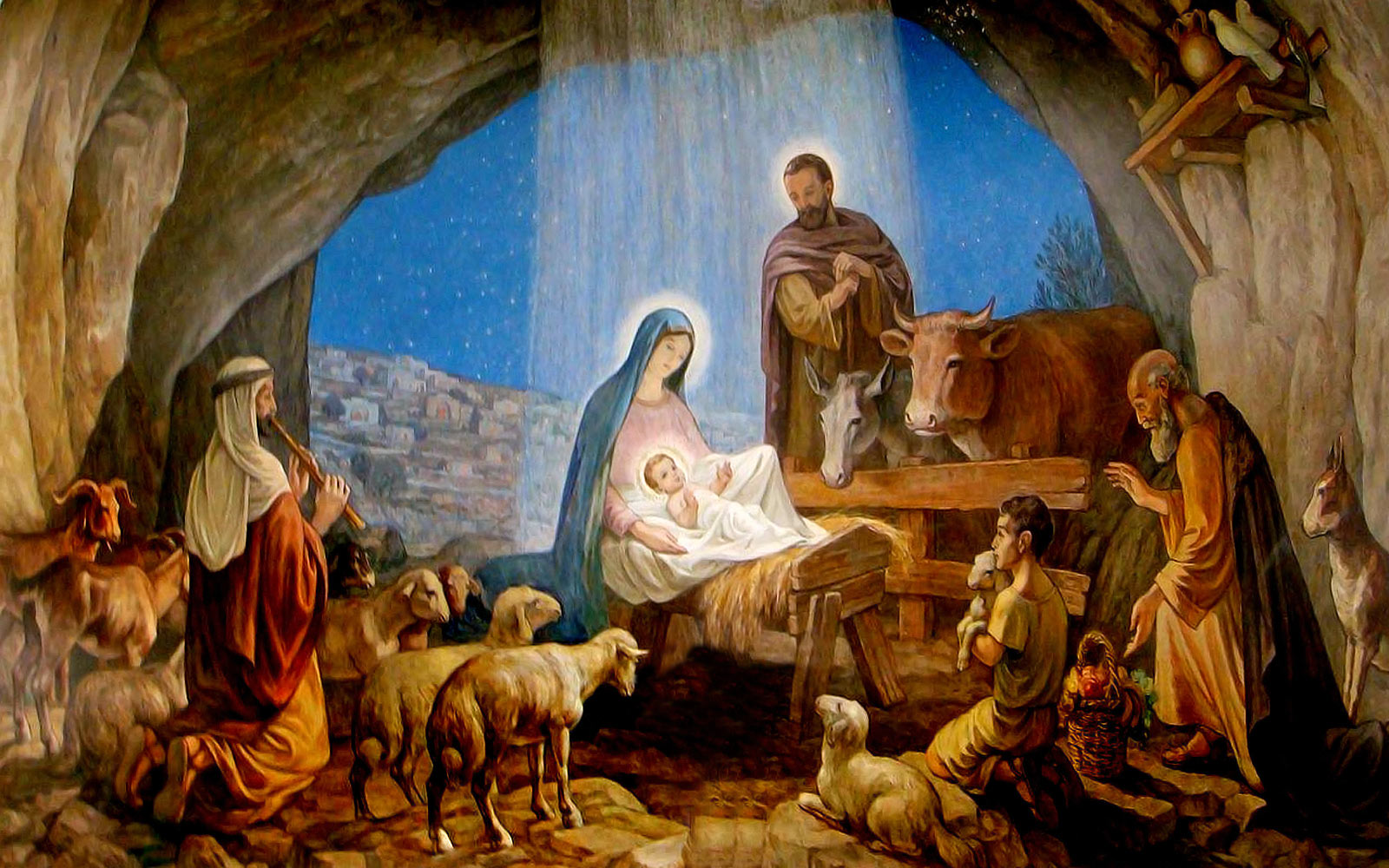
There was a young Jewish girl named Mary, and she was scared. She wasn’t exceptionally beautiful or exceptionally smart or exceptionally strong; in fact, she didn’t feel herself to be exceptionally anything
Recent Comments