
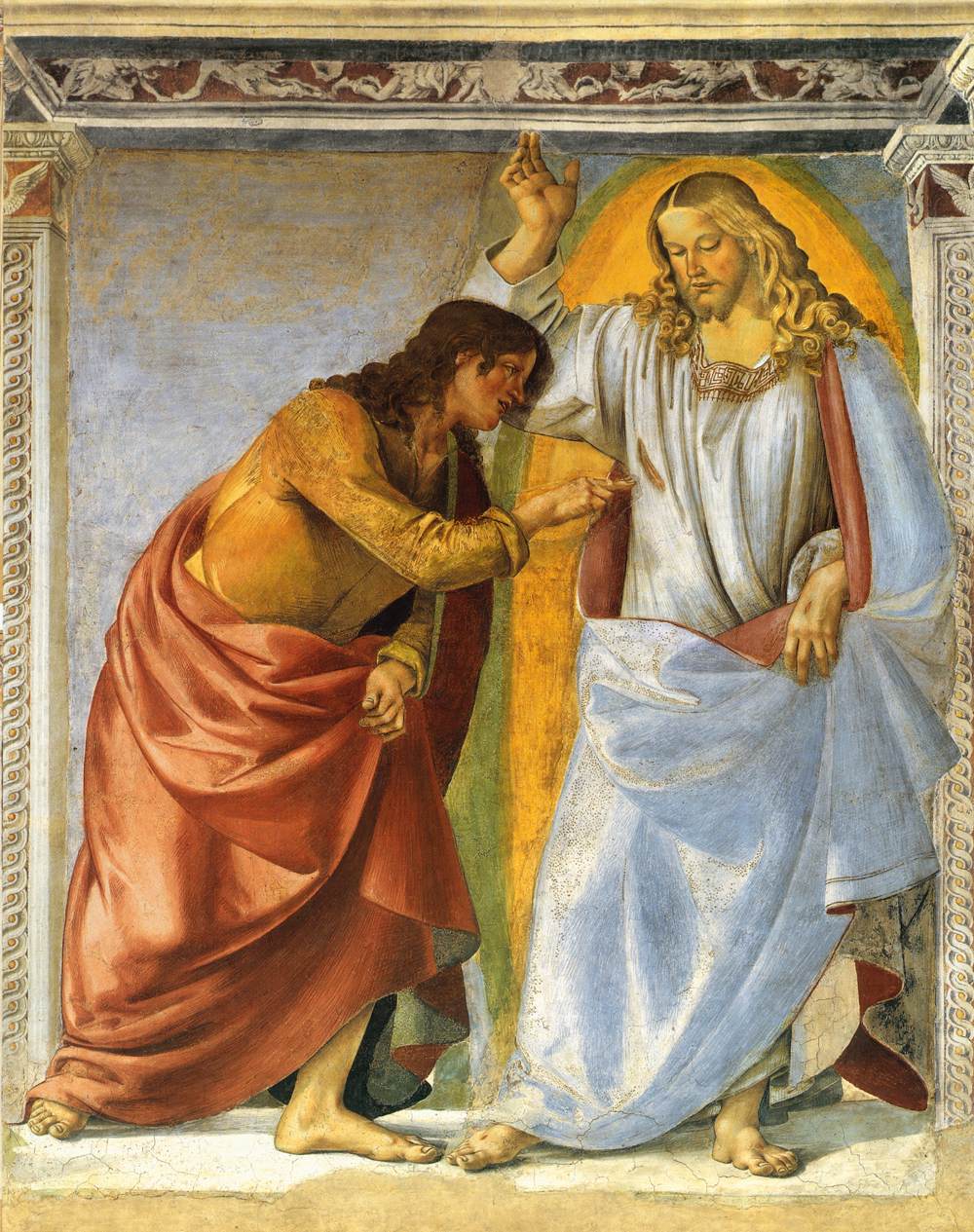
Today, we celebrate the 1,988th anniversary (give or take a couple) of some events that the Apostle John was witness to. Here’s the story he told:
When it was evening of that first day of the week [the day of the Resurrection], the disciples were gathered together with the doors locked because they feared the Jews. Jesus came, stood among them, and said to them, “Peace be with you.”
Having said this, he showed them his hands and his side. So the disciples rejoiced when they saw the Lord.
[…]
But Thomas (called “Twin”), one of the Twelve, was not with them when Jesus came. 25 So the other disciples were telling him, “We’ve seen the Lord!”
But he said to them, “If I don’t see the mark of the nails in his hands, put my finger into the mark of the nails, and put my hand into his side, I will never believe.” — John 20:19-20, 24-25 CSB
Thomas was probably like Mary and Martha were when Jesus was about to raise their brother Lazarus. He believed in the Resurrection at the end of days, but how could someone be raised from the dead now without Jesus to do it? Thomas’ doubt was not the abstract, existential doubt that ends up asking questions like, “What if all this is a dream?” His doubt was one that was based in reality. It asked, “Did this really happen?” not, “Could this really happen?”
Doubt is normal. Some doubt is healthy. A doubt that drives you to action, to finding the truth, is a good doubt. A cynical doubt that you revel in to hide the truth from yourself isn’t one that should be entertained. Let your doubt be enabling, not paralyzing. Wrestle with it, and come out better. Don’t let it sit and become an excuse.
The story continues:
A week later his disciples were indoors again, and Thomas was with them. Even though the doors were locked, Jesus came and stood among them and said, “Peace be with you.”
Then he said to Thomas, “Put your finger here and look at my hands. Reach out your hand and put it into my side. Don’t be faithless, but believe.”
Thomas responded to him, “My Lord and my God!” — John 20:26-28 CSB
Once presented with evidence, Thomas didn’t continue in his doubt. As Christ told him to believe, so he did. When he saw the evidence, when he felt the wounds, when he heard Jesus’ voice, he didn’t think that he was seeing a ghost, or something that wasn’t there; he knew Who was in front of him–his Lord and his God.
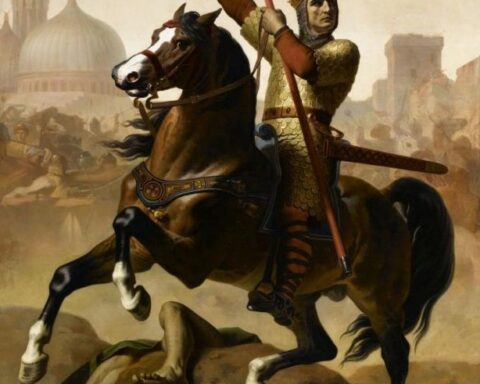
Church tradition tells us that he went the furthest east of the Apostles, to India. There are Christians that trace their lineage of faith back to him even today.
Jesus then gave us a blessing:
Jesus said, “Because you have seen me, you have believed. Blessed are those who have not seen and yet believe.” — John 20:29 CSB
Though our eyes haven’t seen, we trust the witness of men like Thomas, who verified his belief with his own hands. Our own Christianity can be traced back to that generation, and as we are all part of the Body of Christ, the same Blood that flowed through it then flows through it now. We are nourished by those that came before us; we will nourish those who come after us. It’s this Body and Blood that show us the strongest links among Christians past, present, and future, heading toward the fulfilled Kingdom.



5
4.5