by Rudyard Kipling It was not part of their blood, It came to them very late, With long arrears to make good, When the Saxon began to hate. They were not easily

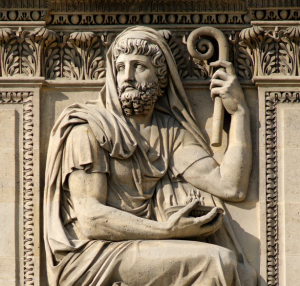
Editor’s note: The following is extracted from History, by Bernadotte Perrin (published 1912). (Go back to previous chapter) But the Ancient History of the Greeks never emancipated itself wholly from the influence of the epic poems. The revolt against it
Editor’s note: The following is extracted from The Uses of Diversity, by G. K. Chesterton (published 1920). It is odd how often one may hear, in the middle of a very old
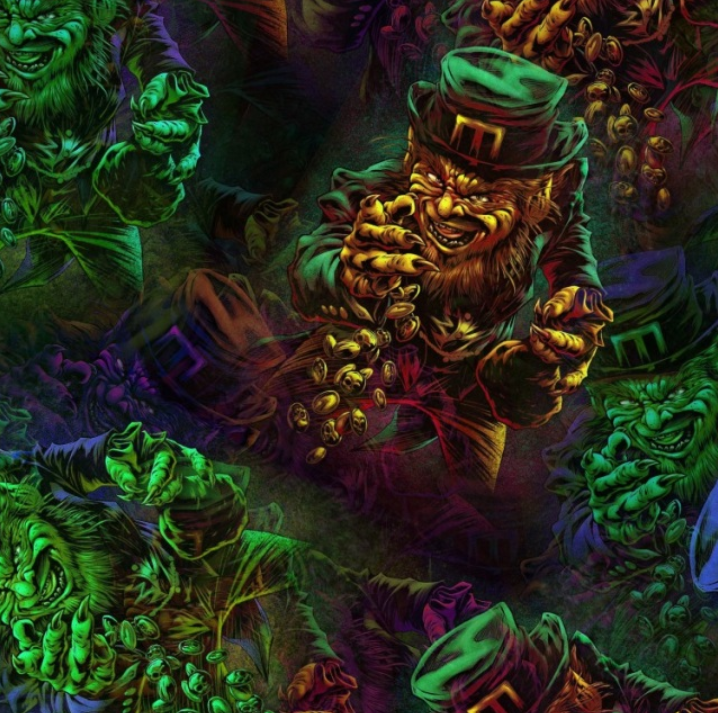
Editor’s note: The following is extracted from The Uses of Diversity, by G. K. Chesterton (published 1920). I once saw in the newspapers this paragraph, of which I made a note: “LEPRECHAUN”
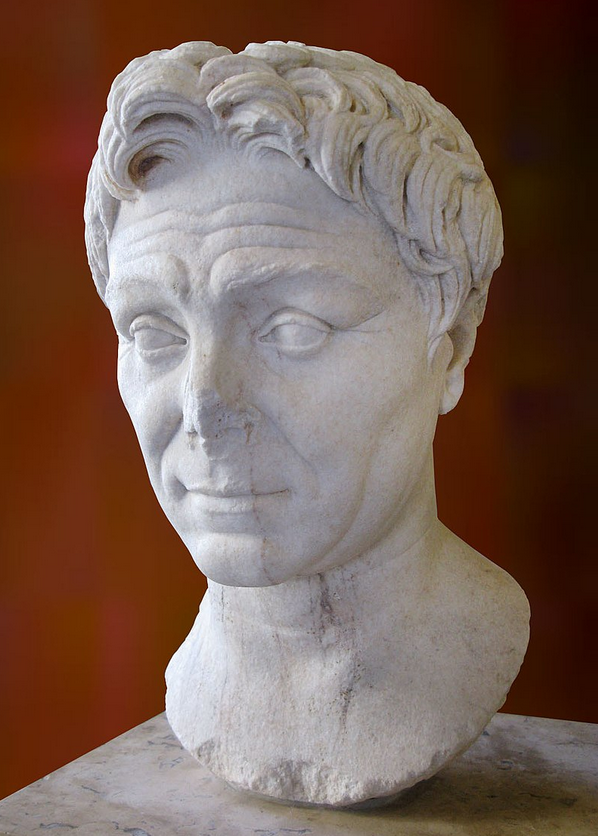
Editor’s note: The following comprises the eighth chapter of Seven Roman Statesmen of the Later Republic, by Sir Charles Oman (published 1902). VIII. Pompey In Cato we have had to deal with
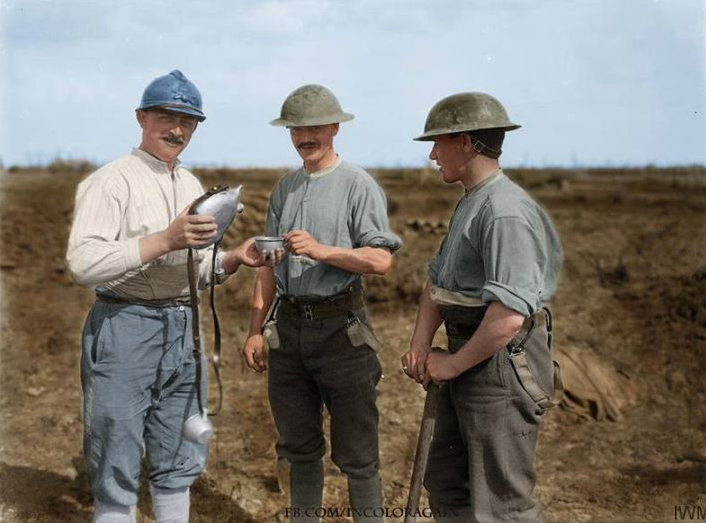
Editor’s note: The following is extracted from Anecdotes of Soldiers in Peace and War, arranged by J. H. Settle (published 1905). An old recruiting-sergeant tells the following: — I ‘listed a recruit
Editor’s note: The following is extracted from Indian Tales, by Rudyard Kipling (published 1890). It was not in the open fight We threw away the sword, But in the lonely watching
Cutter snuck a peek over at Bantamon, who looked very pleased with the lie, and wondered if he could kill him before being struck down by the palace guards.
(Continued from Part VII) “You recognize this mask,” he said. It was not a question, though Moragan nodded in answer anyway. “It is because of this mask that I have come to
Recent Comments